
Real Estate
Jimmy Carter’s family farm near Plains to become part of Georgia wildlife area
By Cynthia Blake
Advertisement · Why this ad?
Sharon is an avid sports enthusiast with a background in sports journalism from Kennesaw State University. Before joining Alpharetta Current, she worked for the Gwinnett Daily Post, covering high school sports for over five years. Her passion for local athletics shines through in her reporting.
More from Sharon →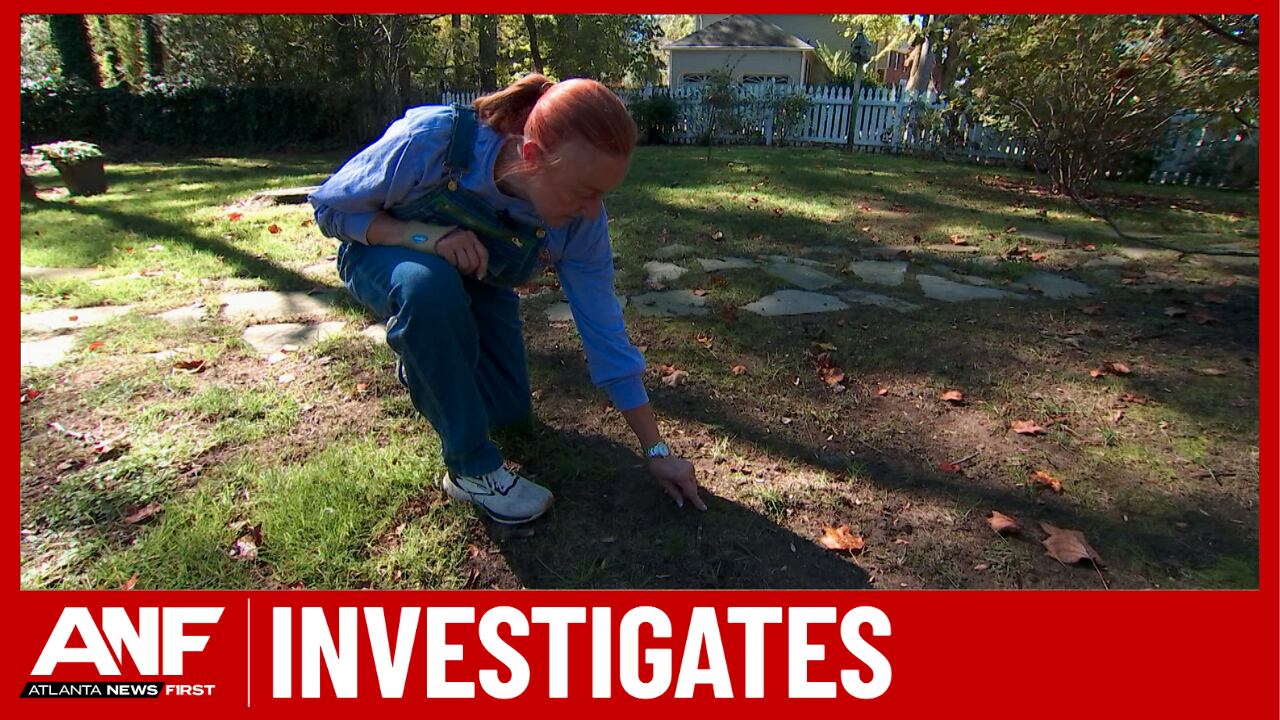
Share Add Us On Google Add as a preferred source on Google What you’ll learn in this report How a routine weed spray may have turned a lush backyard into dirt and moss. What a company supervisor agreed to do after the homeowner’s final phone call. How Georgia homeowners can report suspected pesticide damage to the state. ATLANTA, Ga. (Atlanta News First) - A Marietta woman said the grass in her backyard began dying about a week after a weed control company’s treatment two years ago, and the company never made the repairs it promised. Ann Meding said she has called the family-owned company regularly for two years, asking a supervisor to inspect the yard. She said supervisors were scheduled to visit eight to 10 times, but no one came. Meding placed one final phone call while Atlanta News First Investigates recorded the interaction, prompting a company supervisor to agree to an in-person visit at her home at 8 a.m. the following day. According to Meding, it was the first time in two years she had been able to speak with a supervisor. Meding said the supervisor arrived the next morning and, after inspecting the yard, agreed to get rid of the weeds, aerate and reseed at no cost. Atlanta News First Investigates listened to a recording of the conversation on Meding’s phone. A yard built by hand Meding, a real estate agent, sold the house in 2009 to the man she later married. She has lived there since 2012. Meding said she built the yard herself. She patched the front lawn and planted grass, built the flower beds and planted the shrubs. The couple’s wedding tree is a cherry tree in the backyard. But about three years ago, hand surgery for arthritis left her unable to pull weeds, Meding said. She hired the weed control service after neighbors recommended it. What she says happened Meding’s front yard is Bermuda grass, and she said the company’s spray worked there. Her backyard is fescue. She said she does not know exactly what was applied in the back, but said the grass began dying about a week after a treatment. “My office overlooks my back yard. So I look out and I see just it’s all turning brown all of a sudden,” Meding said. She said the company told her it would aerate and overseed a few times and, if that did not work, sod the entire backyard. Meding said she is not aware of any aeration or overseeding, and the yard has not been sodded. Large sections of the yard are now bare dirt, weeds and moss. Meding estimated it is about 60 percent weeds and 20 percent dirt. Patches of new fescue and other grasses have come up, but she said she does not know where the other grass came from. She said irrigation water is washing soil away and exposing tree roots. (The lawn company’s name is not being reported because, at the time of this report, no official complaint had been filed with the Georgia Department of Agriculture, and a supervisor agreed to try to resolve her complaint before Atlanta News First Investigates got involved.) The lawn company did not respond to requests for comment or interviews. How to file a complaint with the state The Georgia Department of Agriculture regulates companies that apply pesticides and investigates reports of possible pesticide incidents. A company that applies any pesticide to someone else’s property for a fee must hold both a commercial pesticide applicator license and a pesticide contractor license, according to the department. Homeowners who believe a pesticide application caused damage can file a complaint using the department’s online pesticide incident form . A complaint should include as much documentation as possible: Your name and contact information The property address The company’s name and contact information The date, or approximate date, of the application What the company said it applied, if known Copies of invoices, contracts and service records Before-and-after photos or videos Emails, text messages and portal messages A description of when the damage first appeared Any conversations in which the company acknowledged or inspected the damage The amount of money paid or the damage claimed, if relevant The department’s pesticide program can be reached at (404) 656-4958 or [email protected] . Download our Atlanta News First app for your latest news and information. If there’s something you would like Atlanta News First Investigates to dig into, fill out this submission form . Copyright 2026 WANF. All rights reserved.
By Cynthia Blake

By Gregory Patel

By Linda Choi

By Linda Choi