Arts
Creativity steals the show for November with UGA’s Spotlight on the Arts
By Lila Chen
Advertisement · Why this ad?
Lila Chen is an arts enthusiast and graduate of Emory University, with over 4 years of experience covering culture and lifestyle in Athens. She previously contributed to Creative Loafing Atlanta and is passionate about highlighting underrepresented voices in the local arts scene.
More from Lila →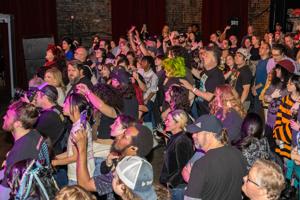
The air crackles with an undeniable energy late on a Saturday night in Athens—a vibrant pulse of music spilling out into the streets. But for a town so deeply intertwined with its musical identity, the source of this sound isn't always obvious. Beyond the familiar glow of landmarks like the 40 Watt Club, Georgia Theatre, and Akins Ford Arena, a quieter, more intimate ecosystem thrives, nurturing local creativity in smaller venues, impromptu house settings, and temporary stages. This is where Athens’ heart truly beats, a testament to the city’s enduring spirit of artistic expression.
The Athens music scene, once synonymous with cramped, sweaty halls and raucous house parties, feels different to some today. The late 1980s and early 1990s saw Athens as a crucible for alternative music, a breeding ground for bands that would define a generation. The city’s proximity to the University of Georgia fueled a vibrant student culture, eager to embrace the unconventional. In a 2024 BBC article, writer Alex Crevar, recalling his time at the University of Georgia in the late 1980s and early 1990s, captured a vibrant era of late-night eats and gritty dive bars. “Back then the place brimmed with cramped and sweaty music halls, raucous house parties, gritty dive bars and cheap, late-night eats,” he noted. While that era retains a nostalgic charm, the current landscape is evolving, prompting conversations about the city’s character.
David Eduardo, owner and operator of The World Famous, articulates a sentiment shared by many: “Athens is getting less and less weird every day. It’s being homogenized, it’s vanilla more than ever. There’s more corporate energy and less creative energy than ever before, and that’s sad.” This isn't merely a nostalgic lament; it reflects a tangible shift in the city's demographics and development. Increased property values and the influx of new residents, while bringing economic growth, also threaten to displace long-standing businesses and artists who contribute to Athens’ unique cultural identity. He emphasizes the importance of preserving the city’s unique identity, declaring, “We’re going to keep it weird and support the people that are keeping it weird,” a commitment echoed throughout the community. The World Famous itself exemplifies this ethos, serving as a bar and small venue, offering a comfortable space with food, drink, and cozy lighting for artists to perform.
Hendershot’s functions as both a bar and coffee lounge, fit with a stage promoting jazz nights just as much as the typical rock band or solo act. The dual nature of the space allows for a wider range of musical programming, catering to different tastes and times of day. Having recently renovated their space under new leadership, the establishment is offering a fresh, new experience that draws in national and local artists alike. This versatility allows Hendershot’s to cater to a wide range of musical tastes and create a welcoming atmosphere for both performers and patrons. The renovations themselves signal a commitment to revitalization and ensuring Hendershot's remains a vital part of the Athens music scene for years to come.
What strikes me most about Athens’ music scene isn't just the talent on display, but the unwavering commitment to fostering a space for authentic expression. The concerns voiced by David Eduardo about homogenization are a stark reminder of the importance of preserving what makes Athens unique—its “weirdness.” The willingness to embrace unconventional venues and support emerging artists speaks to a deep-seated value for creativity and community. This preservation isn’t just about maintaining a certain aesthetic; it’s about protecting the economic and social fabric of the city.
Supporting local businesses, including music venues, is a direct investment in the vitality of Athens. By attending shows, purchasing merchandise, and spreading the word, residents can contribute to the continued flourishing of this vibrant cultural ecosystem. This is more than just entertainment; it’s a celebration of community and a testament to the enduring power of music. The city government also plays a role in supporting the arts through grants and initiatives designed to foster creativity and cultural tourism.
Ultimately, Athens’ music scene is a reflection of its people—a community that embraces individuality, celebrates creativity, and fiercely defends its unique identity. As Blackwell so eloquently put it, “Athens loves its weirdos, and anywhere there’s a pocket of weirdos, it’s beautiful to see this town support it and want to see folks thrive.”
By Lila Chen

By Lila Chen

By Gregory Patel

By Mohammed Ahsan